
Traditional epoxy garage floors deliver solid chemical resistance and a glossy finish, but they carry heavy trade-offs when facing Southwest Florida's unique heat and humidity. Severe UV yellowing, hot tire pickup, and slow cure times top the list of drawbacks for local homeowners. Across Sarasota, Charlotte, and Manatee counties, we engineer around these exact limitations at Floor Shield of SWFL by installing polyaspartic garage floor coatings specifically built to thrive in the Florida climate.
When you look online, most standard pros-and-cons lists fail to account for how our regional weather alters a material's lifespan. While epoxy certainly has its strong suits, its true durability depends entirely on its environment. Understanding exactly where epoxy holds up—and where our brutal coastal conditions cause it to fall short—is the key to making a smart investment for your home.
Where Epoxy Performs Well
Chemical and Stain Resistance
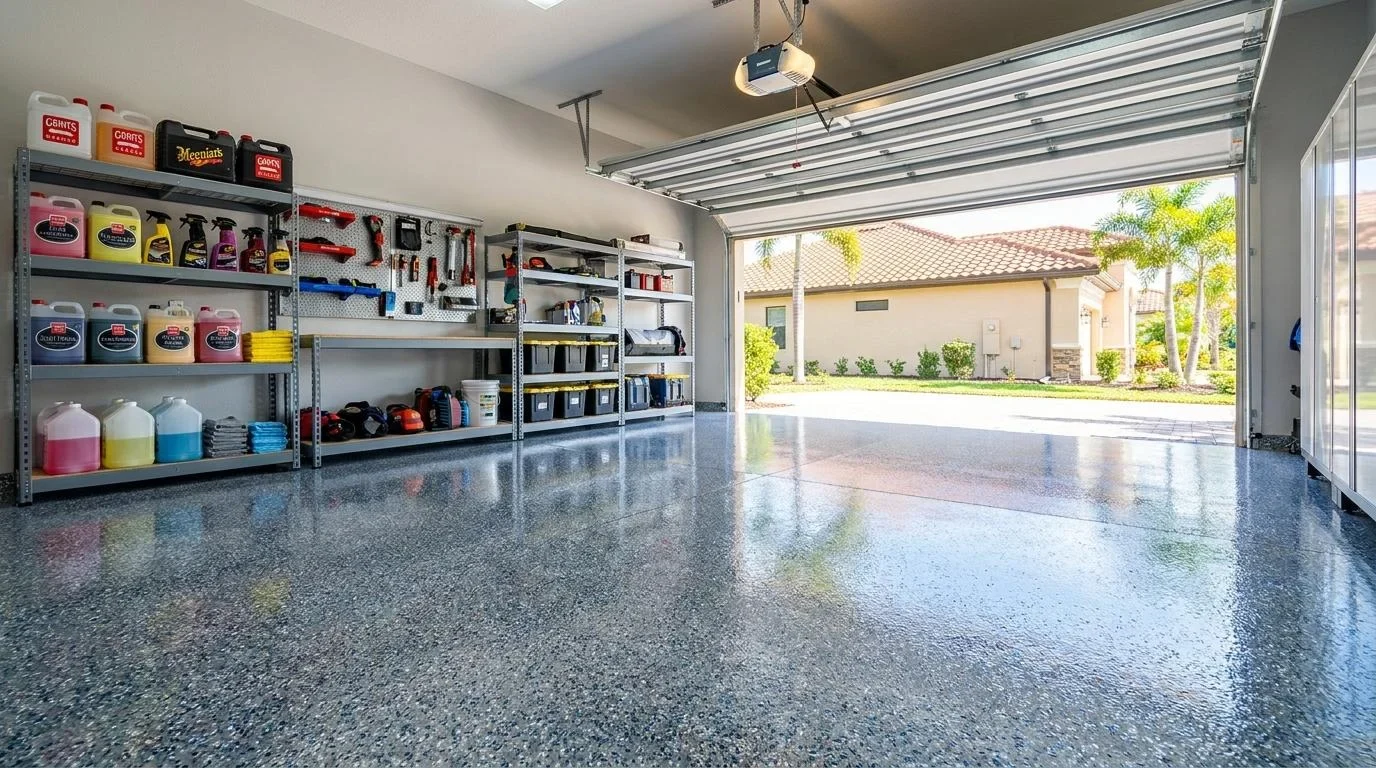
Epoxy creates a hard, non-porous surface that resists oil, gasoline, brake fluid, and most household chemicals. A spill that would permanently stain bare concrete wipes clean off an epoxy floor. That chemical barrier is the main reason epoxy became the default garage floor coating over the past two decades, and it’s a genuine strength worth acknowledging.
Appearance and Finish Options
Epoxy accepts metallic pigments, solid colors, and decorative flake blends that transform a gray slab into a finished surface. High-gloss epoxy reflects overhead lighting and brightens a garage interior. The range of aesthetic options is one of epoxy’s real advantages, particularly for homeowners who want a dramatic visual change on a moderate budget.
Where Epoxy Falls Short in Florida
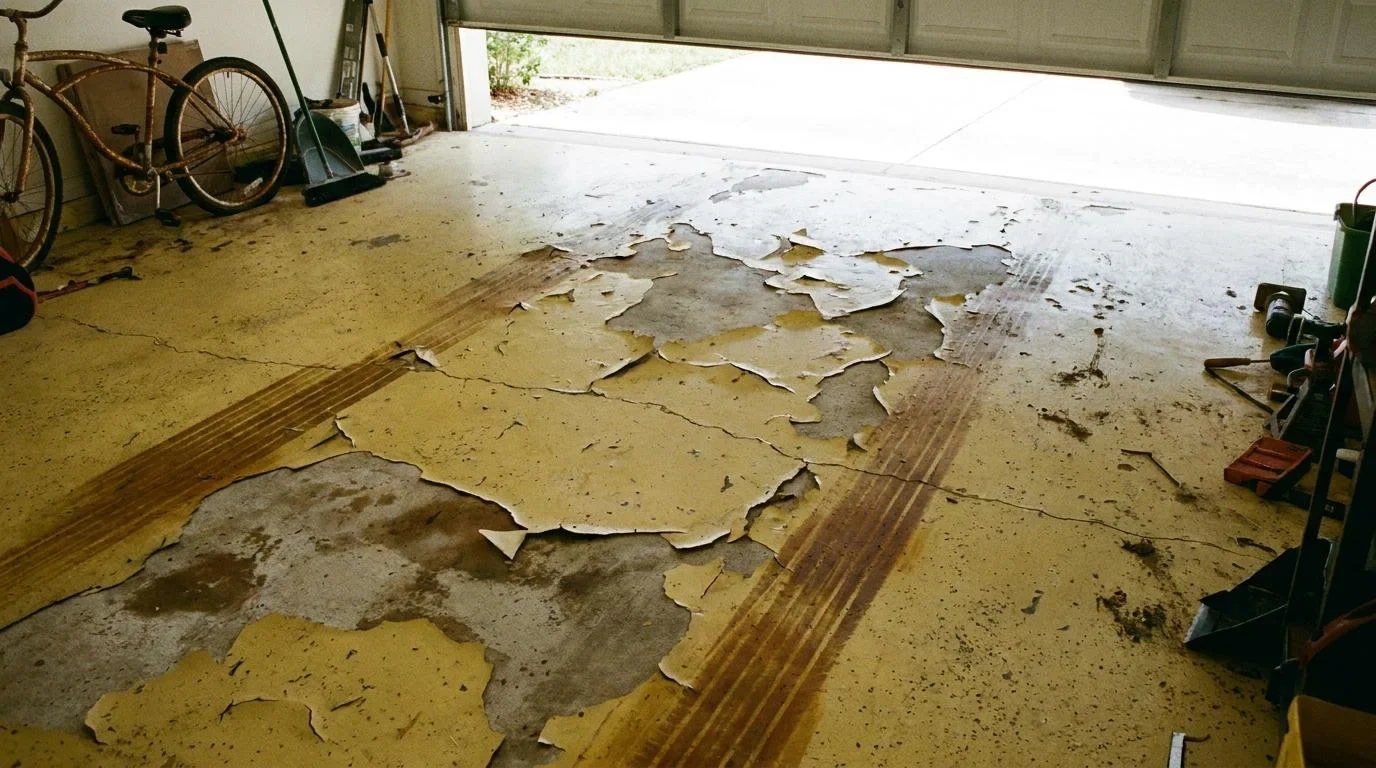
Epoxy’s weaknesses line up almost perfectly with Southwest Florida’s climate conditions.
UV Yellowing
Standard epoxy resins break down under ultraviolet light. In Southwest Florida, where garages face direct sun through open doors for hours each day, visible yellowing from UV degradation typically appears within six to twelve months. For waterfront properties in areas like Siesta Key or Boca Grande, this sun exposure is amplified by coastal glare, accelerating the amber discoloration. The damage is permanent and worsens with continued exposure. Garages with south- or west-facing doors see the damage fastest.
Hot Tire Pickup
Tires absorb heat from Florida roads and transfer it directly to the garage floor. Epoxy’s rigid surface softens under that thermal load, and the tire pulls the coating away when the car backs out. The result is a patchy, peeling surface wherever hot rubber rests on the coating. This type of damage is more common in Southwest Florida than in cooler climates because road surface temperatures regularly exceed 130°F in summer.
Cure Time and Humidity
Epoxy needs 24 to 72 hours to cure fully, and high humidity slows the process. Southwest Florida’s ambient moisture creates a longer cure window where dust, insects, and airborne debris can contaminate the surface. That extended downtime also means the garage stays empty for two to three days minimum.
What Outperforms Epoxy in Southwest Florida
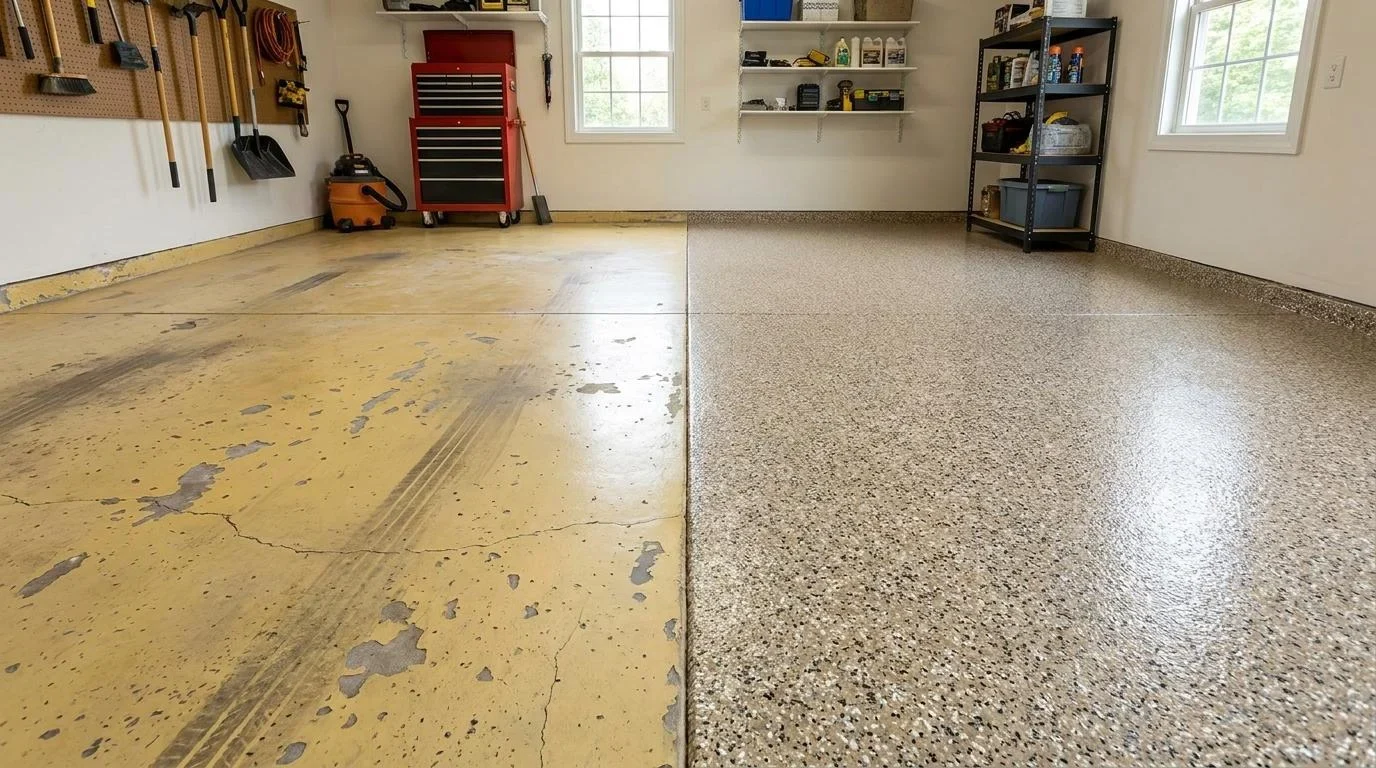
Polyaspartic coatings solve the three problems above without sacrificing chemical resistance or aesthetic range. The system resists UV degradation, so it doesn’t yellow. It stays flexible under hot tires instead of pulling away from the concrete. It cures in four to five hours regardless of humidity. Floor Shield’s polyaspartic system includes anti-slip aggregate in the topcoat and carries a 15-year non-prorated warranty that covers 100% of the original work through year 15.
Homeowners scheduling floor coating projects across Sarasota face summer humidity that stretches epoxy's tacky phase to 48 hours, making polyaspartic's four-hour cure a practical advantage during the months that matter most.
Frequently Asked Questions
What are the biggest disadvantages of an epoxy garage floor?
Epoxy’s biggest disadvantages in Florida are UV yellowing, hot tire pickup, and slow cure times in humid conditions. Standard epoxy resins break down under ultraviolet light and begin turning yellow within months on sun-exposed surfaces. The rigid coating also lifts when hot tires transfer road heat to the garage floor.
Is epoxy or polyaspartic better for a garage floor?
Polyaspartic is the better choice for a garage floor in Southwest Florida because it resists the three conditions that cause epoxy to fail: UV exposure, hot tire heat, and high humidity during cure. Floor Shield of SWFL installs 100% polyaspartic systems that cure in hours and carry a 15-year non-prorated warranty.
How long does an epoxy garage floor last in Florida?
An epoxy garage floor in Florida typically lasts five to ten years with professional installation before showing significant wear from UV and heat exposure. DIY epoxy kits often fail within one to three years because of inadequate surface preparation. The expected lifespan of an epoxy garage floor is even shorter in garages with direct sun and regular hot tire contact.
Make the Right Coating Decision
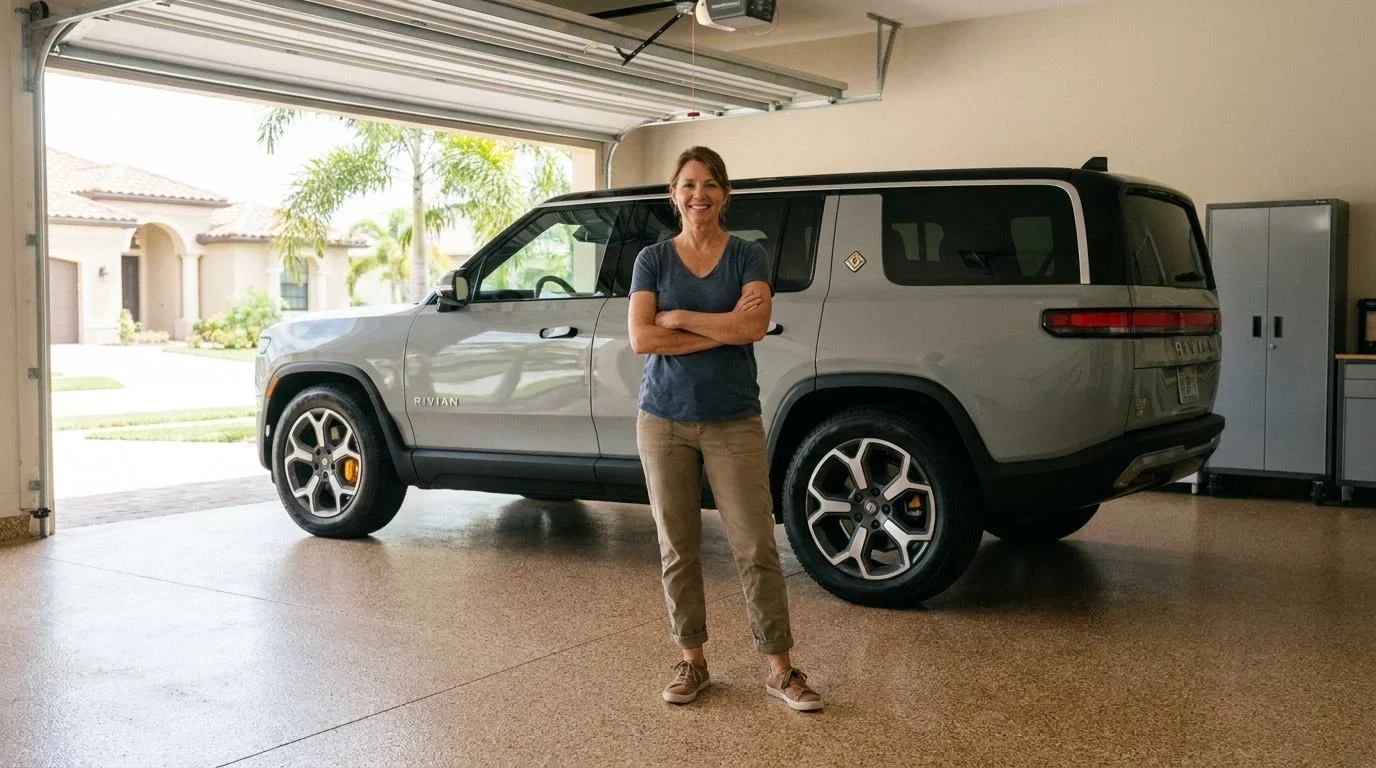
Epoxy’s strengths are real: chemical resistance, a polished appearance, and a lower entry price. The weaknesses are also real and hit harder in Southwest Florida compared to places with less sun and lower humidity. If you want a floor that keeps its color and holds up through Florida’s heat cycles, polyaspartic is the system built for the job.
Request a free estimate from Floor Shield of SWFL at (941) 681-8407 to see the difference in person.