
Is epoxy flooring slippery? It can be, particularly when the surface is smooth, wet, dusty, or missing a traction additive. Floor Shield of SWFL installs garage floor coatings with an anti-slip additive built into the topcoat as a standard step, not an upsell, so the finished floor is designed for real Southwest Florida garage use.
The question matters here more than most places, because Florida garages collect rainwater, sand, lawn debris, and tire moisture year-round. Below, we explain what actually makes a coated floor slick, how texture changes traction, and what to ask an installer before you assume any glossy floor is safe underfoot.
What Makes a Coated Garage Floor Feel Slippery?
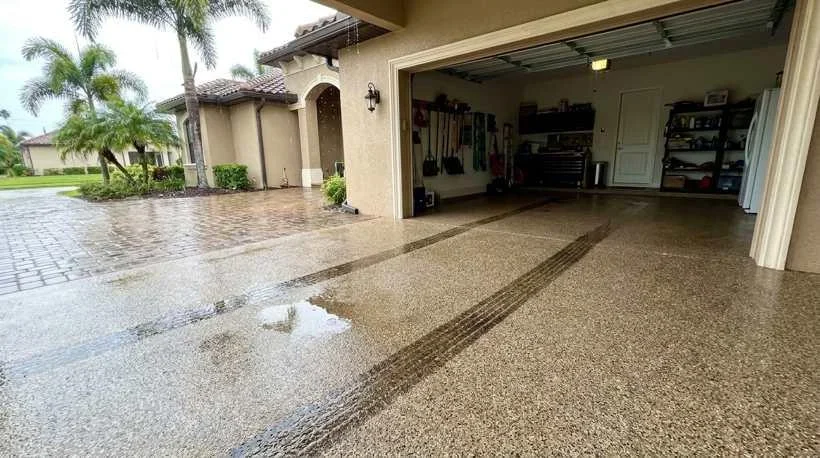
A coated garage floor feels slippery when water and dust sit on a smooth surface. The coating itself is only part of the issue. Texture, cleaning habits, and footwear all change the way the floor feels.
Common slip factors include:
-
Smooth, high-gloss finish
-
Rainwater tracked in by tires
-
Fine sand from driveways and sidewalks
-
Oil, sunscreen, or cleaning residue
-
Missing grit or traction additive
Southwest Florida garages see more moisture than many inland markets. Afternoon storms can soak tires, and sandy grit can act like tiny ball bearings under shoes.
Floor Shield of SWFL does not install epoxy garage floors. Its closest offered service is a 100% polyaspartic garage floor coating with an anti-slip additive in the topcoat.
How Texture Improves Garage Floor Safety
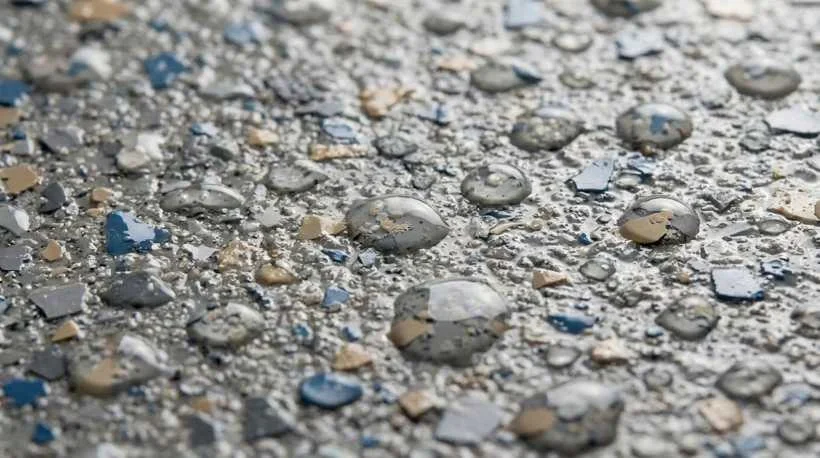
Texture gives shoes and tires more surface to grip. A coating can still look clean while using flake and topcoat texture to reduce slickness.
Flake Coverage
Decorative flakes do more than change color. They add small height changes across the floor, which helps break up a slick surface and hide dust between cleanings.
Anti-Slip Additive
Floor Shield includes an anti-slip additive as a standard part of the topcoat. That matters in a community like Osprey, where a car comes home soaked through most of storm season and tracks that water straight onto the slab.
Finish Sheen
A very glossy floor may look polished, but it can show water and dust faster. A textured flake finish usually fits real garage use better than a showroom-smooth surface.
HomeownersSouthwest Florida should ask how the installer builds traction into the system, not only how the floor will look.
Why Epoxy Is Not the Only Safety Concern
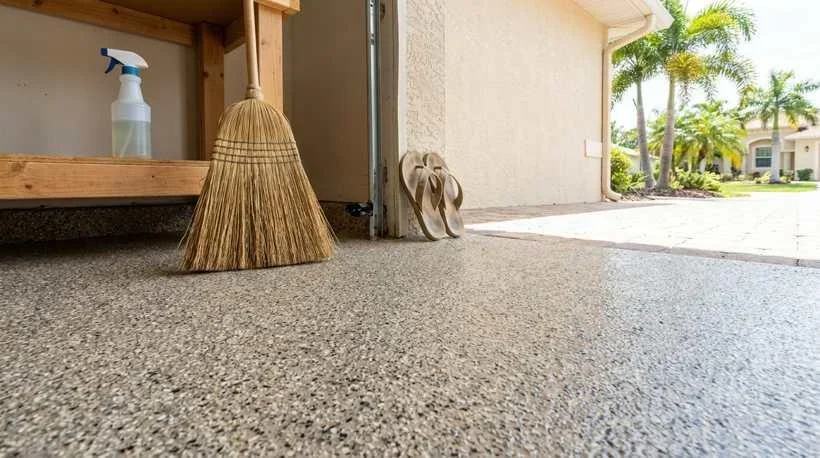
Epoxy gets much of the attention, but any coating can feel slick if the installer chooses the wrong texture. The bigger question is how the system is designed for daily use.
Epoxy garage floors can also cure slowly in humid conditions. That longer cure window can increase the chance of dust or moisture contamination before the floor is ready. Floor Shield of SWFL avoids epoxy and uses polyaspartic because it cures quickly and fits the local climate better.
Garage safety also depends on maintenance. A textured floor still needs regular sweeping because sand, leaves, and small debris can reduce traction.
The best safety plan is a practical one. Choose the right texture, avoid waxy cleaners, and rinse spills before they spread across walking paths.
Frequently Asked Questions
Is a flake garage floor less slippery than a smooth epoxy floor?
A flake garage floor is usually less slippery than a smooth epoxy floor because the texture adds grip. The topcoat still matters. Floor Shield of SWFL includes anti-slip additive so the finished surface is designed for wet-tire garage use.
Can anti-slip additive make a garage floor harder to clean?
Anti-slip additive can make a floor slightly more textured, but it should not make cleaning difficult when applied correctly. A balanced texture gives traction without trapping heavy dirt. Regular sweeping and occasional rinsing usually handle normal garage debris.
What should homeowners avoid after a garage floor coating?
Homeowners should avoid waxy cleaners, oily residues, and letting sand build up after a garage floor coating. Those materials can sit on top of the finish and reduce traction. A mild cleaner and soft broom usually work better.
Choose Safety Before Shine
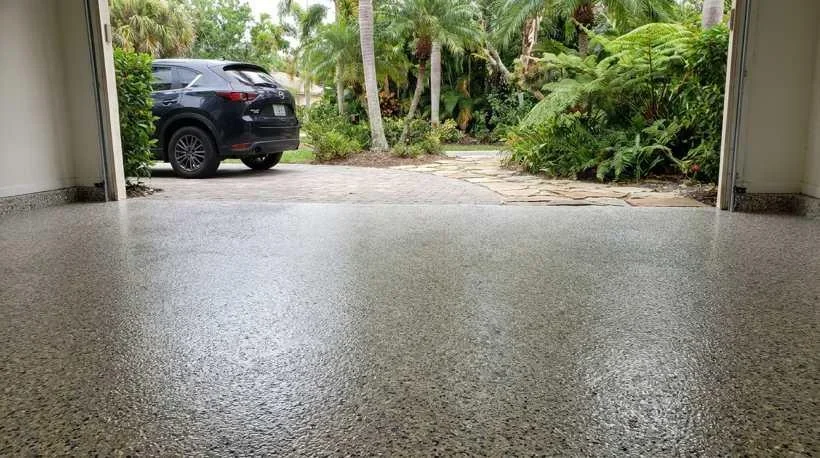
A safe garage coating is the one that matches how the space actually gets used. If yours sees wet tires, sandy shoes, and daily foot traffic, texture matters more than a mirror finish, and a floor can still look sharp while offering grip underfoot. The traction comes from the flake and the anti-slip topcoat working together.
Floor Shield builds that anti-slip additive into every topcoat as standard, on a polyaspartic system backed by a 15-year non-prorated warranty. Contact Floor Shield of SWFL at 941-681-8407 to ask about anti-slip coating options.